Artificial Intelligence (AI): How Intelligent Technology Is Transforming the Future of Human Life
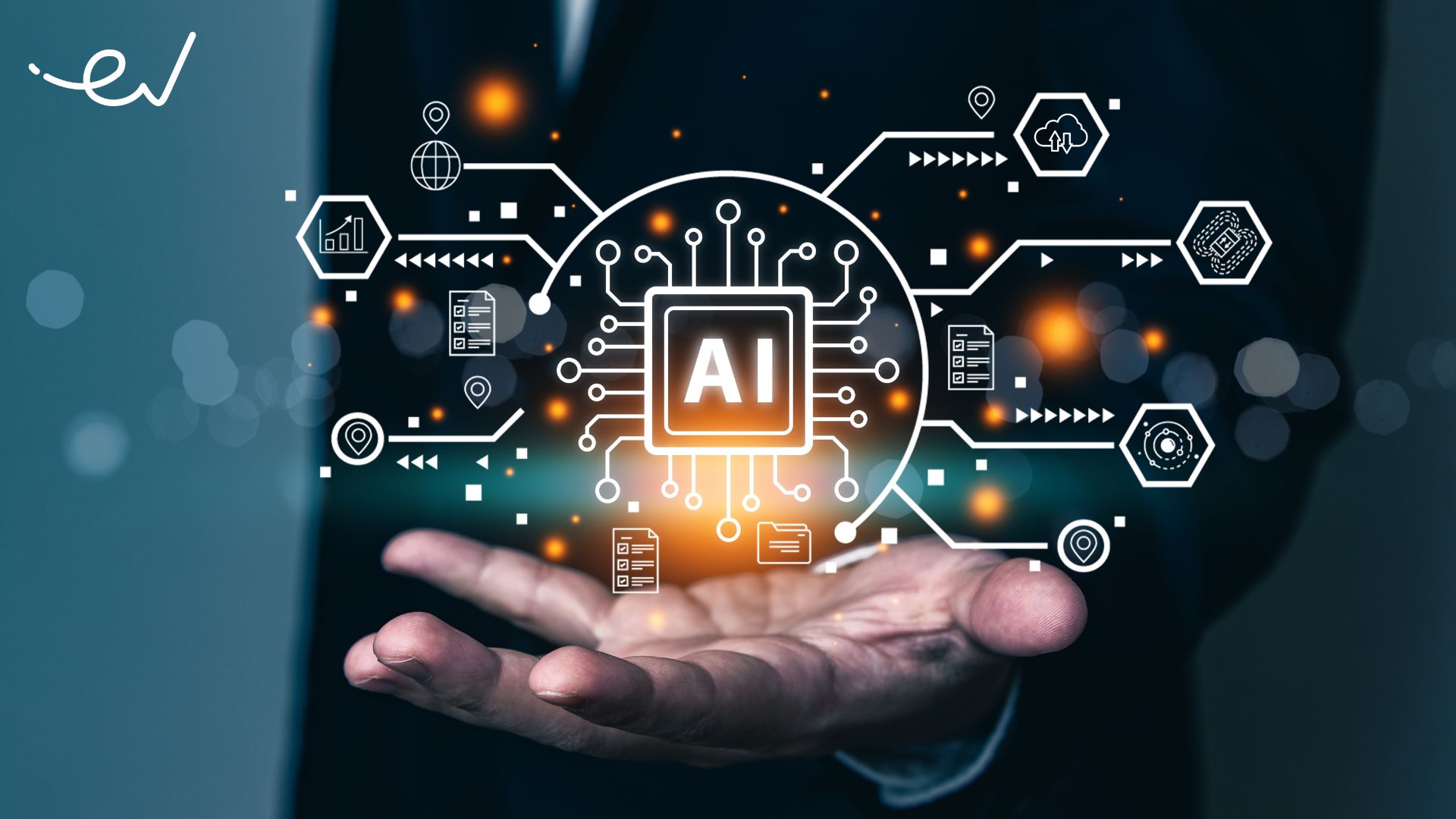
Artificial Intelligence (AI) has become one of the most revolutionary technologies of the 21st century. From virtual assistants and smart devices to advanced healthcare systems and business automation, AI is rapidly transforming the way people live, work, and interact with technology.
As digital transformation accelerates worldwide, AI is no longer a futuristic concept—it is now an essential part of everyday life. Organizations across industries are investing heavily in AI-powered solutions to improve efficiency, reduce costs, enhance customer experiences, and gain a competitive advantage.
But what exactly is Artificial Intelligence, and how does it impact human life? Understanding both the benefits and challenges of AI is crucial as this technology continues to shape the future.
What Is Artificial Intelligence (AI)?
Artificial Intelligence (AI) refers to computer systems designed to simulate human intelligence and perform tasks that typically require human cognitive abilities. These abilities include learning, reasoning, problem-solving, decision-making, language understanding, and pattern recognition.
AI technologies can process massive amounts of data, identify trends, and continuously improve their performance through machine learning algorithms.
Popular examples of AI applications include:
- Virtual assistants such as Siri and Google Assistant
- AI-powered chatbots for customer support
- Personalized recommendations on Netflix, YouTube, and Spotify
- Smart home devices
- Facial recognition systems
- Autonomous vehicles
- Generative AI tools for content creation
The growing availability of big data, cloud computing, and machine learning technologies has significantly accelerated AI development across the globe.
Key Benefits of Artificial Intelligence for Society
1. Increased Productivity Through Automation
One of the biggest advantages of AI is its ability to automate repetitive and time-consuming tasks. Businesses can streamline operations, reduce human error, and improve efficiency by implementing AI-driven systems.
Automation allows employees to focus on strategic, creative, and high-value activities instead of routine administrative work.
Key Benefits:
- Faster task completion
- Improved operational efficiency
- Reduced labor costs
- Enhanced workplace productivity
2. Revolutionizing Education and Learning
AI is transforming education by making learning more personalized, accessible, and interactive. Intelligent learning platforms can analyze student performance and deliver customized educational content based on individual needs.
Teachers can leverage AI tools to:
- Automate grading and assessments
- Monitor student progress
- Create personalized learning experiences
- Improve classroom engagement
As a result, students benefit from a more adaptive and effective learning environment.
3. Improving Healthcare and Medical Innovation
The healthcare industry is experiencing a major transformation through AI-powered technologies. AI systems assist healthcare professionals in diagnosing diseases, analyzing medical images, predicting health risks, and developing treatment plans.
Applications of AI in healthcare include:
- Early disease detection
- Medical imaging analysis
- Drug discovery and research
- Remote patient monitoring
- Predictive healthcare analytics
By improving diagnostic accuracy and operational efficiency, AI contributes to better patient outcomes and more accessible healthcare services.
4. Accelerating Business Growth and Digital Marketing
Artificial Intelligence has become a powerful tool for modern businesses. Companies use AI to analyze customer behavior, optimize marketing campaigns, automate customer support, and improve decision-making processes.
AI-driven business solutions help organizations:
- Predict market trends
- Personalize customer experiences
- Enhance sales performance
- Improve operational efficiency
- Increase return on investment (ROI)
In today’s competitive digital landscape, AI is a key driver of business innovation and sustainable growth.
5. Enhancing Everyday Life
Many people interact with AI every day without realizing it. From smartphone applications and online shopping recommendations to navigation systems and voice assistants, AI simplifies daily activities and improves convenience.
Examples include:
- Smart navigation apps
- AI-powered translation tools
- Personalized content recommendations
- Intelligent home automation systems
- Fraud detection in online banking
These technologies save time and provide more seamless user experiences.
Challenges and Risks of Artificial Intelligence
While AI offers significant benefits, it also raises important concerns that society must address.
1. Job Displacement and Workforce Transformation
Automation can replace certain repetitive and predictable jobs, particularly in manufacturing, administration, and customer service sectors.
As AI adoption increases, workers will need to develop new skills in areas such as:
- Data analysis
- Digital technology
- AI management
- Critical thinking
- Creative problem-solving
Workforce reskilling and lifelong learning will become increasingly important in the AI era.
2. Data Privacy and Cybersecurity Concerns
AI systems rely on large volumes of user data to function effectively. Without proper security measures, sensitive information may be vulnerable to misuse, cyberattacks, or unauthorized access.
Organizations must prioritize:
- Data protection
- Privacy compliance
- Ethical AI practices
- Transparent data governance
Building trust in AI technology depends heavily on responsible data management.
3. Ethical Issues and Bias in AI Systems
AI algorithms are only as good as the data they are trained on. If training data contains bias, AI systems may produce unfair or discriminatory outcomes.
Examples include:
- Biased hiring recommendations
- Unequal loan approvals
- Inaccurate facial recognition results
Developing ethical and transparent AI systems is essential to ensure fairness and accountability.
4. Growing Dependence on Technology
As AI becomes more integrated into daily life, excessive dependence on automated systems may reduce human decision-making skills, creativity, and critical thinking abilities.
Maintaining a balance between human judgment and technological assistance is vital for long-term societal well-being.
The Future of Artificial Intelligence
Experts predict that AI will continue to reshape industries and create new opportunities in the coming decades. Emerging technologies such as generative AI, robotics, autonomous systems, and predictive analytics are expected to drive the next wave of innovation.
Future AI applications may include:
- Smart cities powered by intelligent infrastructure
- Fully autonomous transportation systems
- Advanced healthcare diagnostics
- Personalized digital education
- AI-assisted scientific research
- Sustainable energy management
As AI evolves, governments, businesses, and educational institutions must collaborate to establish ethical guidelines and regulatory frameworks that promote responsible innovation.
Why AI Will Define the Next Digital Revolution
Artificial Intelligence is more than just a technological trend—it is a fundamental force shaping the future of humanity. Organizations that embrace AI strategically can unlock new levels of efficiency, innovation, and growth.
At the same time, society must address challenges related to ethics, privacy, employment, and security to ensure AI serves the greater good.
The future belongs to those who understand, adapt to, and responsibly leverage the power of Artificial Intelligence.